TradeWise Legal
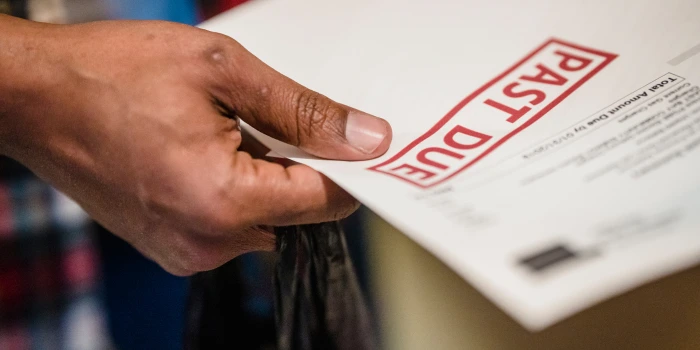
Getting paid on time is one of the biggest challenges Texas plumbing businesses face. You finish the work, provide quality service, send the invoice, and then... nothing. Days turn into weeks, and suddenly you're spending more time chasing unpaid invoices than running your business.
The good news is that not every unpaid invoice requires immediate legal action. In many cases, a few simple steps can solve the problem before things become too expensive or stressful. Taking a professional, organized approach also helps preserve your options if you eventually need to escalate the matter.
If you're dealing with an unpaid plumbing invoice in Texas, here are five important steps to take before escalating to the next level.
Before contacting the customer or threatening legal action, take a few minutes to review everything related to the project. Although it might seem obvious that the customer owes the money, mistakes do happen. An invoice could contain a typo, list the wrong amount or due date, or even have been sent to the wrong person.
Begin by carefully reviewing the entire invoice. Confirm that all charges match the work completed and that the payment terms are clearly stated. Then gather all supporting documents connected to the project.
These records may include:
Having thorough documentation serves two purposes: First, it helps you quickly answer any questions the customer may have. Second, it creates a paper trail that can become valuable if the situation eventually reaches court or collections.
You don't want to begin a dispute, only to discover that important records are missing. Taking the time to organize everything now can save major headaches later.
Once you've verified that the invoice is correct, reach out to the customer directly. Most unpaid invoices aren't the result of bad intentions. Sometimes invoices get buried in an inbox, accounting departments fall behind, or customers simply forget.
A friendly phone call often works surprisingly well. Keep the conversation professional and calm. Avoid accusations or threats. Instead, approach the situation as though you're trying to solve a simple problem together. You might say something like, "I'm just following up on invoice #123. I wanted to make sure you received it and to see if you had any questions." If you don't receive a response or payment, follow up with an email. Continue documenting every communication attempt, including dates, times, and any replies you receive.
Sometimes customers don't pay because they believe there's a problem with the work. Maybe they think a repair wasn't completed correctly or they misunderstood the scope of the project. Or, perhaps they're questioning charges on the invoice. Whatever the issue is, make sure to address it quickly.
Listen carefully and gather all the facts before responding. Even if you believe the complaint is unreasonable, understanding their perspective can help you find a solution. In some situations, the fix may be simple. A quick service visit or a clarification of charges may resolve the issue immediately. In other situations, you may discover that the customer is simply looking for an excuse to delay payment. In either case, documenting the discussion is critical.
If friendly reminders and discussions aren't producing results, it's time to take a more formal approach. TradeWise Legal's demand letter sequence includes four levels of escalation: a friendly 15-day reminder, a firm 30-day notice, a final demand before legal action, and a pre-lien final notice when a mechanic's lien may be an option. Unlike a casual email, a formal demand clearly communicates that the account is past due and that additional action may follow if payment isn't received.
Demand letters should include:
A formal written notice can signal that you've moved beyond informal collection efforts and are prepared to consider additional options if the balance remains unpaid. Sending the letter through certified mail can also provide documentation of delivery that may be useful later.
Once you've completed the previous steps and still haven't received payment, it may be time to explore more formal options.
Texas provides certain contractors and subcontractors with lien rights that can help secure payment for labor and materials. A mechanic's lien creates a legal claim against the property where the work was performed. This can be a powerful collection tool because property owners often want to clear title issues before selling or refinancing.
However, lien laws in Texas have strict deadlines and notice requirements. If you're unsure whether a project qualifies or which deadlines apply, TradeWise Legal can help you determine the appropriate next step. If your project qualifies, a mechanic's lien may provide leverage during payment negotiations.
For smaller unpaid invoices, small claims court can be an effective solution. Texas Justice Courts handle many disputes involving unpaid invoices, and the process is generally more informal than higher courts. You'll need documentation showing the work was performed, the invoice has been issued, and reasonable attempts were made to collect payment. While going to court requires time and effort, it can be a practical option when a customer refuses to pay, despite repeated requests.
Collection agencies specialize in recovering unpaid debts. The agency handles communication with the customer and attempts to recover the money on your behalf. If you're tired of chasing unpaid invoices on your own, outsourcing to collections may allow you to focus on running your plumbing business.
Of course, collection agencies typically charge fees or take a percentage of recovered funds. This means you may not receive the entire balance owed. Still, for some businesses, recovering most of the debt is better than nothing at all.
For larger invoices, consulting an attorney may be the smartest move. An attorney can evaluate your options, explain your rights, and help determine the most effective strategy for collecting payment.
An attorney can also help prepare a formal demand, evaluate potential claims, and identify issues that could affect your collection options. In some situations, an attorney can point out potential issues ahead of time so you don’t risk making choices that could harm your case. Legal assistance isn't always necessary, but when significant amounts of money are at stake, professional guidance can be well worth the investment.
In many situations, it makes sense to try resolving an unpaid invoice directly before moving to more formal collection options. It should come after you've made reasonable efforts to resolve the issue directly.
Here are a few signs it may be time to escalate:
Another important factor is time. Time also matters because certain collection options, including mechanic's liens, may be subject to specific deadlines. If weeks or months have passed and the customer shows no interest in resolving the matter, moving to formal collection efforts may be the most practical option.
Rely on your thorough documentation and follow a consistent process. Rely on your thorough documentation and follow a consistent process.
An unpaid plumbing invoice can be extremely frustrating, but jumping straight to legal action isn't always the best course of action. Start by reviewing your records, contacting the customer, addressing any disputes, and sending a formal demand letter. If those efforts don't work, you can explore options such as mechanic's liens, small claims court, collection agencies, or legal counsel.
Handling the situation methodically and without confrontation can make collecting payment more likely and give you better leverage if you need to pursue further action.
FAQs
What should I do first if a customer is not paying their plumbing invoice?
Start by reviewing the invoice and your project records to confirm the amount, due date, and supporting documentation are correct. Then contact the customer to confirm they received the invoice and determine whether there's a payment issue or dispute.
Should I send a demand letter before going to court?
A formal demand letter can be an appropriate step before going to court because it gives the customer a clear deadline to pay and creates a written record of your collection efforts. Whether a demand is required or advisable can depend on the circumstances and the type of claim you're pursuing.
What proof should I collect before escalating an unpaid invoice?
You should collect:
Can a payment plan help me avoid a bigger dispute?
Yes. If a customer is facing financial hardship or disputing a large lump sum, offering a structured weekly or monthly payment plan can provide another way to collect the balance without immediately pursuing legal action.
When should I ask about lien rights or small claims?
If repeated collection efforts haven't resolved the balance, it may be time to consider more formal options. However, don't wait for an arbitrary number of days before checking your lien rights. Texas mechanic's lien requirements and deadlines vary based on the project and your role, so it's important to determine what applies to your situation early.

